The Fast and Furious Road to Burnout
Signs of ADHD and Autistic Burnout & How to Recover
December 15, 2025
What is burnout?
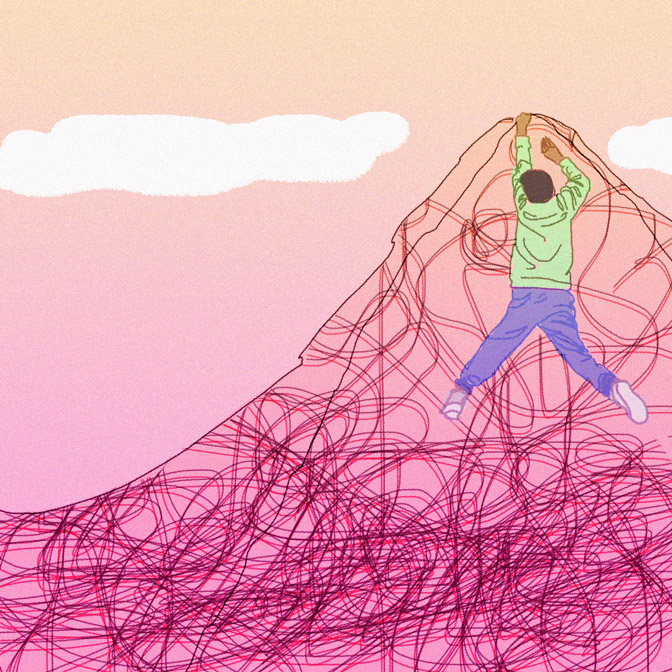
Burnout can happen when one overexerts themselves to mental and physical exhaustion. It can appear as decreased performance at work, withdrawing from relationships and activities once enjoyed, and increased irritability. More rest is often needed, and may not be much of a choice.
Everyone experiences burnout at one time or another in their life. However those with ADHD and autism tend to expend more effort than most “keeping it together”. It leads to more easily triggered and more intense burnouts.
What are the signs of burnout?
Recognizing the signs of burnout before it begins to have a negative impact on day to day life gives you a chance to pull the brakes and take a break.
Some of the symptoms of burnout include:
- Mental, emotional, and physical exhaustion
- Compassion fatigue
- Depression
- Anxiety and increased sensitivity
- Irritability and cynicism
- Decreased enjoyment in activities once enjoyed
- Decreased attendance and performance at work
- Withdrawing from socializing
- Oversleeping or insomnia
- Increased use of alcohol and drugs
What are the consequences of burnouts?
Running on fumes for long periods of time can create a bottoming out of skills needed to function in daily life. Finding oneself in a ditch on the side of the road can make one feel cynical or apathetic; it can be hard to find the strength to crawl out of it.
It can also lead to depression, anxiety, and emotional and physical exhaustion. Many turn to alcohol and drugs to cope with these feelings.
Consistently pushing yourself without adequate accommodations and rest can also make burnouts more frequent and more difficult to overcome.
Without taking the time to fill your tank, you’ll constantly be forced to take breaks. It becomes more and more time and energy intensive to break the cycle.
How does it affect ADHD and Autistic people?
People with ADHD and/or autism work very hard to mask their symptoms.
Those with ADHD can overexert themselves to avoid the stigma of being “lazy”. They may avoid sleeping or eating due to hyper-focusing on a task. They also will work hard to mask certain behaviors while socializing or at work, which can use up even more energy. Attempting to appear “normal’ on the outside makes managing daily responsibilities like cooking, cleaning and hygiene that much harder.
Autistic people face similar challenges with social masking and executive functioning. They also struggle with sensory overload, which can include loud sounds, bright lights, uncomfortable clothing or seating. Autistic people often don’t receive the proper accommodations at work or school that could benefit them greatly, making their day to day even that more exhausting.
In addition to the challenges those with ADHD and/or autism already face, dealing with cycles of burnout can create additional mental health problems. These consequences can be more severe as well as more detrimental to daily functioning.
Without the proper support, burnout can lead to job loss, social isolation, and even physical health problems.
Find a therapist for ADHD burnout and Autistic burnout at HBH
HBH has a number of compassionate and experienced therapists who understand the difficulties those with ADHD autism face trying to function in a society that doesn’t accommodate them.
By working with one of our trained therapists, you can expect an individualized treatment plan to help improve coping skills, social skills, and develop self-care routines to avoid burnout.
Our therapists are available for telehealth therapy online or in-person from our Amherst, Franklin, West Springfield, Wilbraham, or Natick Massachusetts offices.
To start working with one of our therapists today, contact us at (413) 343-4357 or request an appointment online.
Further Reading:
A Mask of Your Own Face: Autistic Masking
Misunderstood: The Lives of People with ADHD
About The Author