
Borderline Personality Disorder Treatment Through Therapy
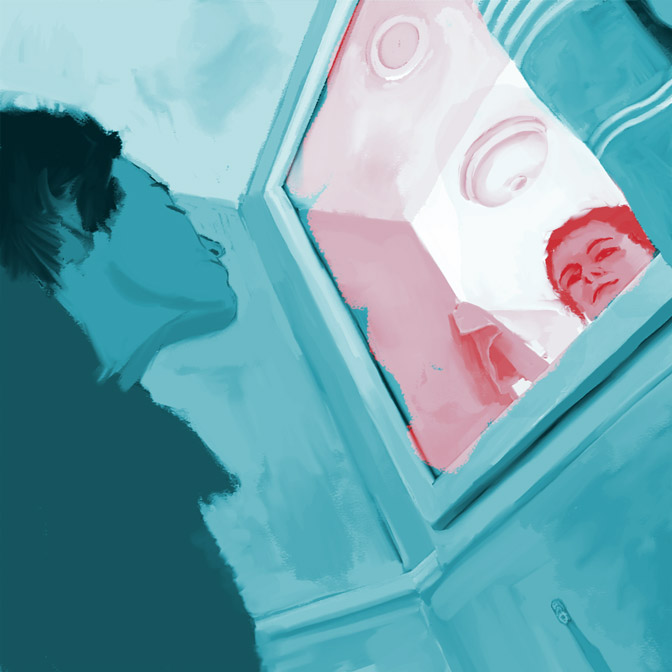
Borderline Personality Disorder (BPD) is a complex mental health condition that affects emotional regulation, self-image, and behavior. People living with BPD often experience intense emotions and impulsivity that can significantly impact their relationships and employment when left untreated.
Although challenging, Borderline Personality Disorder is treatable, and many individuals see meaningful improvement with the right therapy and support.
Handel Behavioral Health provides therapy for Borderline Personality Disorder, both for the individual and their loved ones, to help them better understand this condition and the path toward healing.
What is Borderline Personality Disorder?
Borderline Personality Disorder is a Cluster B personality disorder characterized by emotional instability, impulsive behavior, and difficulties maintaining stable relationships.
People with BPD may feel emotions more intensely and for longer periods than others, making emotional regulation especially difficult.
Borderline Personality Disorder Symptoms and Diagnosis
Symptoms typically begin in adolescence or early adulthood. Diagnosis of BPD can often be comorbid with depression, narcissistic personality disorder, and antisocial personality disorder.
BPD symptoms can vary in severity, but diagnostic criteria include the common signs such as:
1. Emotional Dysregulation
Individuals with BPD often experience intense mood swings, overwhelming anger, sadness, anxiety, or emptiness that may change rapidly.
2. Fear of Abandonment
A strong, unbacked fear of being abandoned that can lead to frantic, preemptive efforts to avoid rejection, even in stable relationships. One may even feel paranoid that those around them are not being deceitful or malicious regarding their feelings about them.
3. Unstable Relationships
Relationships may shift between idealization and devaluation, leading to conflict, misunderstandings, and emotional distress. Those with BPD often call this rapid shift in feelings “splitting”, a defensive mechanism to protect oneself from rejection or abandonment.
4. Impulsive and Risky Behaviors
Impulsive behaviors can be triggered by emotional instability in an attempt to cope.
Common impulsive behaviors include:
- Substance abuse
- Binge eating / Eating disorders
- Unsafe sexual activity
- Reckless driving
- Acting on ideas without planning, such as travel
- Excessive spending
- Self-harm or self-sabotage
5. Unstable Self-Image
People with BPD may struggle with identity, self-worth, goals, or values, leading to feelings of confusion or emptiness. Rapidly changing self-worth and goals often lead to impulsive behaviors.
6. Suicidal Thoughts
Self-harm and suicidal ideation occur more frequently in individuals with BPD and require immediate professional support. This often directly correlates to the unstable self-image.
What Causes Borderline Personality Disorder?
There is no single cause of BPD. Most mental health professionals believe it develops from a combination of biological, genetic, and environmental factors.
Brain differences in emotional regulation and impulse control may increase vulnerability to BPD symptoms. Those with a family history of personality disorders or other mental health conditions also increase the likelihood of developing BPD.
Childhood neglect or abuse is often reported by individuals with BPD. This can also look like an unstable household or caregiver, leading to chronic abandonment and emotional neglect.
What Are the Treatment Options for Borderline Personality Disorder?
Treatment for BPD usually includes a combination of mental health counseling and medication management.
Talk therapy is the most effective treatment for BPD. Counseling can help individuals understand emotional patterns, reduce impulsive behaviors, and improve relationships.
Dialectical Behavior Therapy (DBT)
DBT is considered the gold-standard treatment for BPD. It focuses on:
- Emotion regulation
- Distress tolerance
- Interpersonal effectiveness
- Mindfulness
Other effective therapies include:
- Cognitive Behavioral Therapy (CBT)
- Schema Therapy
- Psychodynamic Therapy
Medication Management
While there aren’t any medications approved for the treatment of personality disorders, there are many medications that can help manage co-occurring symptoms such as depression, anxiety, mood instability, or PTSD.
Options for medications for Borderline Personality Disorder include:
- Antidepressants: can improve a depressed mood, anger, or impulsivity
- Mood stabilizers: can prevent intense mood changes and reduce irritability
- Antipsychotic medications: can reduce symptoms of psychosis, like hallucinations and delusions
- Anti-anxiety medications: can relieve anxiety, agitation, and insomnia
Your doctor, Psychiatrist, or Psychiatric Mental Health Nurse Practitioner will give you information about any medications you are prescribed. Your provider will work with you to create a medication management plan, with regular check-ups to review your medications.
Living With Borderline Personality Disorder
While BPD can feel overwhelming, many individuals experience significant symptom reduction over time with consistent therapy and support.
Having a support team of a licensed mental health counselor, family, and friends is critical, particularly during periods of intense emotional distress or suicidal thoughts. Crisis intervention, safety planning, and short-term stabilization can help reduce risk and promote recovery.
Therapy for Borderline Personality Disorder at HBH
If you or someone you love is struggling with symptoms of BPD, reaching out to a licensed therapist can be a powerful first step.
Handel Behavioral Health has a number of compassionate therapists with experience in BPD. Our licensed mental health counselors are here to help individuals with BPD build emotional stability, healthier relationships, and a fulfilling life.
Our BPD therapists and psychiatrists are available for appointments online in Massachusetts or in-person from our offices in Amherst, Franklin, West Springfield, Wilbraham, or Natick. Contact us today at (413) 343-4357 or request an appointment online.
About The Author